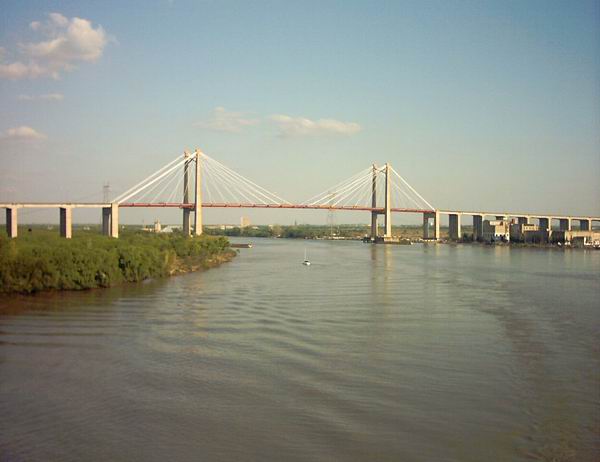
Exploring the Complejo Zárate-Brazo Largo: A Vital Link with Critical Safety Considerations
The Complejo Zárate-Brazo Largo stands as a monumental achievement of engineering and a crucial artery connecting the Argentine mainland with its Mesopotamian region, encompassing the provinces of Entre Ríos, Corrientes, and Misiones. More than just a series of bridges, this complex is a strategic gateway, facilitating immense traffic flow – from daily commuters and freight transporters to tourists exploring the natural beauty of the region. However, its very importance and the significant volume of vehicles it handles also present inherent challenges, particularly concerning road safety. Recent incidents within the Complejo Zárate-Brazo Largo serve as stark reminders of the vigilance required when traversing this vital infrastructure.
The Complejo Zárate-Brazo Largo: A Gateway to the Northeast
Stretching across the Paraná de las Palmas and Paraná Guazú rivers, the Complejo Zárate-Brazo Largo is an integrated system of two cable-stayed bridges and interconnecting viaducts, forming a critical segment of National Route 12. Inaugurated in 1977, these structures were revolutionary for their time, significantly reducing travel times and fostering economic development across the region. The sheer scale and continuous use of the bridges underscore their indispensable role in Argentina's transportation network. For anyone traveling between Buenos Aires and cities like Gualeguaychú, Concordia, or Posadas, the Complejo Zárate-Brazo Largo is an unavoidable and iconic landmark. Its presence has shaped regional development, making access to markets and tourism destinations vastly easier. Yet, with this convenience comes the responsibility for every driver to understand and respect the unique dynamics of this high-traffic, high-speed environment.
Recent Incidents Highlight Safety Concerns on Route 12
While the Complejo Zárate-Brazo Largo is celebrated for its engineering prowess, recent traffic incidents have brought its safety aspects into sharp focus. These events underscore the need for constant awareness and adherence to traffic regulations, especially on such a critical and busy route.
A Tragic Collision at Kilometer 107
One particularly somber event occurred at kilometer 107 of National Route 12, just beyond the first bridge of the Complejo Zárate-Brazo Largo, heading towards Entre Ríos. This violent afternoon collision involved a Jeep and a Chevrolet Onix. The impact was devastating, leading to the tragic fatality of Dino Edmundo Cantero, the 55-year-old driver of the Chevrolet Onix. Other occupants of the Onix, who were reportedly traveling from Chaco to Mercedes, sustained injuries and were promptly transported to the local Virgen del Carmen hospital by Semzar ambulance services. The Jeep involved in the crash subsequently caught fire, with its occupant also sustaining injuries. Reports indicated the Jeep driver was en route from Capital Federal to Gualeguaychú, highlighting the varied journeys converging on this critical roadway. The swift response from Zárate Volunteer Firefighters and Gendarmería Nacional was crucial in managing the scene and assisting the injured. This incident serves as a stark reminder of the severe consequences that can arise from road accidents, emphasizing the importance of defensive driving and caution, especially on high-speed arterial roads.
Rollover Incident Near the Central Median
Another notable incident within the Complejo Zárate-Brazo Largo involved a Renault Logan. This vehicle reportedly lost control on National Route 12, colliding with a guardrail before overturning and coming to rest in the central median. Thankfully, the two occupants of the Logan were transferred to the Virgen del Carmen hospital by Semzar, indicating that their injuries, while requiring medical attention, were not immediately fatal. Such incidents, though sometimes less severe in immediate outcome, still underscore the inherent risks of driving on major highways where unexpected loss of control can lead to serious situations. Factors like excessive speed, distracted driving, or sudden maneuvers can easily lead to a vehicle veering off course, even without the involvement of another car. The prompt arrival of Zárate Volunteer Firefighters and Gendarmería Nacional once again demonstrated the coordinated effort required for incident response on this vital thoroughfare.
Mitigating Risks: Essential Safety Tips for Travelers on the Complejo
The incidents at the Complejo Zárate-Brazo Largo are not isolated occurrences but rather illustrate the challenges inherent in managing high-volume, high-speed traffic on complex infrastructure. Understanding these challenges and adopting proactive safety measures can significantly reduce risks for all road users.
Why Accidents Occur on Critical Roadways Like This
Several factors often contribute to accidents on major routes like National Route 12 within the Complejo Zárate-Brazo Largo:
- High Traffic Volume and Speed: The complex sees a continuous flow of diverse vehicles, from heavy trucks to light passenger cars, often traveling at high speeds. This combination increases the risk of serious collisions.
- Long, Straight Stretches: While efficient, long straight sections can lead to driver fatigue or complacency, tempting some to exceed speed limits.
- Weather Conditions: Fog, rain, or strong crosswinds on the elevated bridges can drastically reduce visibility and vehicle control, making the journey treacherous.
- Driver Distraction: Modern distractions (mobile phones, in-car entertainment) divert attention from the road, a critical error on fast-moving highways.
- Lack of Awareness: Some drivers may not fully appreciate the unique dynamics of driving on large bridges, including potential strong winds or varying road surfaces.
- Overtaking Maneuvers: Improper or aggressive overtaking, especially with varying vehicle speeds, is a common cause of accidents.
Practical Safety Advice for Traversing the Complejo Zárate-Brazo Largo
To enhance your safety and the safety of others when driving through this important corridor, consider the following actionable advice:
- Conduct Pre-Trip Vehicle Checks: Ensure your vehicle is in optimal condition, especially tires, brakes, and lights, before embarking on a long journey that includes the Complejo Zárate-Brazo Largo.
- Adhere Strictly to Speed Limits: Respect all posted speed limits. Remember, limits are set for safety, especially considering the potential for varied conditions on the bridges.
- Maintain a Safe Following Distance: The "three-second rule" is a good guideline. In adverse weather, increase this distance to give yourself more reaction time.
- Stay Alert and Focused: Avoid all forms of distraction. Put away your phone, ensure passengers are not overly distracting, and concentrate fully on the road and surrounding traffic.
- Be Aware of Weather Changes: Monitor weather forecasts, especially for fog or strong winds. Reduce speed significantly and use appropriate lighting (low beams) if conditions deteriorate.
- Plan Your Journey: Account for potential delays and schedule regular breaks to combat fatigue, particularly on long drives through the Complejo Zárate-Brazo Largo and beyond. If you're planning a trip and want to learn more about the engineering behind these incredible structures, or perhaps the historical significance of the region, you might find Complejo Zarate Brazo Largo - Article 1 and Complejo Zarate Brazo Largo - Article 2 insightful for a broader perspective on the complex.
- Use Turn Signals Consistently: Clearly communicate your intentions to other drivers, especially when changing lanes or exiting the highway.
- Know Emergency Procedures: Familiarize yourself with how to react in an emergency, including pulling over safely if possible, activating hazard lights, and calling for assistance.
The Coordinated Response of Emergency Services
The consistent presence and rapid response of emergency services are vital for safety on the Complejo Zárate-Brazo Largo. In both described incidents, Semzar, Zárate Volunteer Firefighters, and Gendarmería Nacional played critical roles. Semzar's efficient medical transfers, the firefighters' expertise in managing hazardous situations like vehicle fires, and Gendarmería's crucial role in accident investigation, traffic control, and overall security, collectively form a robust safety net. This coordinated effort not only saves lives but also ensures that critical infrastructure can be cleared and reopened efficiently, minimizing disruption to the thousands who rely on this passage daily. Their dedication and professionalism are a testament to the ongoing commitment to safety within this demanding environment.
The Complejo Zárate-Brazo Largo is undoubtedly a cornerstone of Argentine infrastructure, a testament to human ingenuity and a constant facilitator of progress. However, its very nature as a high-traffic, high-speed corridor demands respect and constant vigilance from all who traverse it. By understanding the potential risks, adhering to strict safety protocols, and appreciating the indispensable role of emergency responders, we can collectively work towards ensuring that journeys across this magnificent complex remain safe and efficient for everyone. Drive responsibly, stay alert, and contribute to the safety of this vital connection.